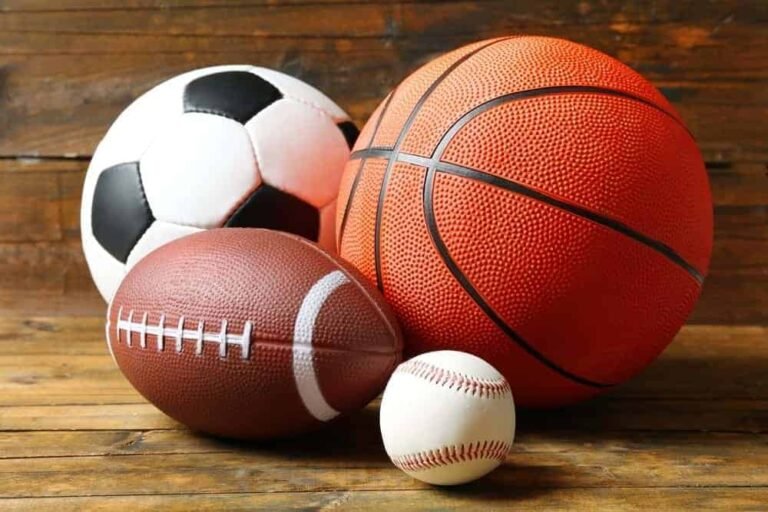
Category: Sports

Sports

  • 10 Benefits of Playing Sports as a Child

    10 Benefits of Playing Sports as a Child

    Picture this: it’s a crisp Saturday morning, and your eight-year-old is out on the field, cheeks flushed, chasing a soccer ball with pure joy. A few months earlier, that same kid preferred screens over fresh air and struggled to focus on homework. Now? More energy, bigger smiles, and even better report cards. I’ve seen it firsthand—watching my own niece transform through youth sports—and the research backs it up every step of the way.

    In a world where kids spend more time indoors than ever, youth sports offer a powerful antidote. According to the CDC, regular physical activity delivers benefits that touch every part of a child’s development—from stronger bodies to sharper minds. Yet many parents hesitate, wondering if the early mornings and weekend tournaments are truly worth it. Spoiler: they are. Here are ten research-backed benefits that make playing sports as a child one of the smartest investments you can make in your kid’s future.

    1. Promotes Physical Fitness and Helps Maintain a Healthy Weight

    Regular sports participation gets kids moving in ways that feel like play rather than punishment, directly tackling the childhood obesity epidemic that affects nearly one in five American children.

    How Exercise in Sports Burns Calories and Builds Habits

    Team practices and games naturally rack up the recommended 60 minutes of daily activity, improving metabolism and helping control body fat without kids even realizing they’re “exercising.”

    Real Results: What the Numbers Show

    Afterschool sports programs alone could cut childhood obesity rates by 1.8 percent by 2032—twice the projected impact of banning junk-food ads aimed at kids.

    A Quick Tip for Busy Parents

    Start with one sport your child loves; the consistency turns fitness into a lifelong routine rather than a chore.

    2. Strengthens Bones, Muscles, and Overall Body Development

    Growing bodies need impact and resistance to build strong foundations, and sports deliver both through running, jumping, and quick directional changes.

    The Science of Bone and Muscle Growth

    Weight-bearing activities in sports like soccer or basketball increase bone density and muscular endurance, reducing future injury risk and supporting healthy growth during those critical developmental years.

    Stories That Stick: My Nephew’s Turnaround

    My nephew started baseball at seven and went from skinny and uncoordinated to confidently swinging a bat with real power—his pediatrician even commented on his improved posture and strength.

    Why Timing Matters

    The earlier kids start (around ages 6-8 for most), the more their developing skeletons and muscles adapt positively.

    3. Enhances Cardiovascular Health and Endurance

    Sports train the heart and lungs to work more efficiently, turning short bursts of effort into sustained energy that lasts all day.

    What Happens Inside During a Game

    Consistent cardio from running the bases or swimming laps improves blood pressure, aerobic fitness, and overall heart health—benefits that compound into adulthood.

    Comparing Active Kids to Sedentary Peers

    AspectKids in SportsInactive Kids
    Cardiovascular fitnessHigher enduranceLower stamina
    Daily energy levelsSustained and steadyQuick fatigue
    Long-term heart riskSignificantly reducedElevated

    Active children show measurable improvements in heart and lung function within months.

    Light-Hearted Reality Check

    Yes, those post-game red faces and heavy breathing mean their hearts are getting stronger—exactly what nature intended.

    4. Improves Motor Skills, Coordination, and Balance

    From dribbling a basketball to timing a tennis serve, sports sharpen the brain-body connection in ways classroom desks never could.

    Developing Fine and Gross Motor Abilities

    Hand-eye coordination, agility, and balance improve dramatically through repeated practice, laying groundwork for everything from writing neatly to riding a bike confidently.

    Everyday Wins You’ll Notice

    Kids who play sports navigate playgrounds and school hallways with greater ease, often leading to fewer clumsy accidents and more adventurous play.

    Fun Fact with a Smile

    Ever watch a five-year-old attempt their first cartwheel in gymnastics? The giggles and wobbles are part of the magic that builds real skill.

    5. Supports Mental Health by Reducing Anxiety and Depression

    Physical activity releases endorphins while providing structure and social connection—two powerful weapons against the rising mental health challenges kids face today.

    How Sports Rewire the Brain for Resilience

    Team sports lower stress hormones and boost mood-regulating chemicals, with studies showing participants report significantly fewer symptoms of anxiety and depression.

    Emotional Stories That Hit Home

    I’ll never forget the quiet girl on my daughter’s volleyball team who blossomed after her first tournament win—her mom later shared it was the first time she’d seen her daughter excited about anything in months.

    Quick Comparison: Sports vs. No Activity

    Inactive kids are twice as likely to experience mental health issues; regular sports cut that risk dramatically.

    6. Builds Self-Esteem and Confidence

    Mastering a new skill or contributing to a team victory creates genuine pride that spills over into every area of life.

    The Confidence Cycle in Action

    Positive reinforcement from coaches and teammates helps children develop a growth mindset, turning “I can’t” into “I’ll keep trying.”

    Personal Anecdote from the Sidelines

    My shy nephew, who once hid behind my legs at family gatherings, now stands tall after scoring his first goal—watching his posture change was pure magic.

    Practical Boosters for Parents

    Celebrate effort over outcomes; the confidence grows from the journey, not just the scoreboard.

    7. Develops Social Skills and Teamwork Abilities

    Sports throw kids into situations where they must communicate, compromise, and celebrate (or console) others—real-world training at its best.

    Learning to Play Well with Others

    Team environments teach empathy, conflict resolution, and leadership far more effectively than solo activities ever could.

    Heartwarming Team Moments

    Remember the underdog team that rallied in the final minutes? Those shared highs and lows forge friendships that often last years.

    Pros and Cons of Team vs. Individual Sports

    Team Sports Pros: Stronger social bonds, built-in accountability
    Team Sports Cons: Potential for group pressure (mitigated by good coaching)
    Individual Sports Pros: Personal pacing, self-reliance
    Individual Sports Cons: Less peer interaction

    Both build skills—just choose what fits your child’s personality.

    8. Boosts Academic Performance and Cognitive Function

    Contrary to the “distracted athlete” stereotype, sports actually sharpen focus, memory, and problem-solving that translate directly to the classroom.

    The Brain Benefits Backed by Research

    Physical activity improves executive function, attention, and even test scores—kids who play sports often outperform peers academically.

    From Field to Desk: Real Examples

    High school athletes are more likely to graduate college, with better grades and attendance reported across multiple studies.

    Parent Hack

    Schedule sports around study time; the mental reset from practice often leads to sharper homework sessions afterward.

    9. Teaches Discipline, Time Management, and Resilience

    Balancing practices, games, school, and chores forces kids to prioritize and push through setbacks—skills that pay dividends forever.

    Life Skills Forged in Practice

    Goal-setting, perseverance through losses, and time management become second nature on the field.

    Emotional Appeal: The Comeback Kid

    My daughter’s team lost their championship game in heartbreaking fashion, yet she learned more about grit in that defeat than any trophy could teach.

    Light Humor Break

    Yes, the 6 a.m. practices teach punctuality—whether your kid likes it or not!

    10. Establishes Lifelong Healthy Habits and Reduces Risky Behaviors

    Kids who play sports early are eight times more likely to stay active as young adults, while also steering clear of smoking, drugs, and other dangers.

    The Long Game: From Childhood to Adulthood

    Early participation predicts lower rates of chronic disease, higher life satisfaction, and even better career outcomes later.

    Why This Benefit Feels So Rewarding

    Watching your child grow into a healthy, confident adult who still hits the gym or joins a rec league? That’s the ultimate win.

    Comparison Table: Lifelong Impact

    OutcomeYouth AthletesNon-Athletes
    Adult physical activity8x more likelyLower adherence
    Risky behavior ratesSignificantly reducedHigher
    Overall life satisfactionHigherLower on average

    People Also Ask About Youth Sports Benefits

    How do sports benefit children’s mental health?
    They lower anxiety and depression while building emotional resilience through endorphins, social support, and achievement.

    At what age should kids start playing sports?
    Most experts recommend ages 6-8 for organized teams, once basic motor skills are in place—earlier for fun, unstructured play.

    Do sports improve grades and focus in school?
    Yes—better attention, memory, and cognitive skills from physical activity often lead to higher academic performance.

    Can sports help prevent childhood obesity?
    Absolutely; consistent activity through sports is one of the most effective tools for maintaining healthy weight.

    Frequently Asked Questions

    What if my child isn’t athletic—should they still try sports?
    Yes! Every child benefits from movement and social connection. Focus on fun and skill-building rather than competition.

    How do I choose the right sport for my kid?
    Watch what lights them up—team or individual, indoor or outdoor. Trial sessions help without long-term commitment.

    Are there any downsides to youth sports?
    Over-scheduling and pressure exist, but good coaching, balanced schedules, and emphasis on enjoyment keep risks low.

    How much sports time is ideal per week?
    Aim for 2-3 practices plus one game—enough for benefits without burnout.

    Playing sports as a child isn’t just about winning games; it’s about building a stronger, happier, more capable human being. The physical gains are obvious, but the mental toughness, social bonds, academic edge, and lifelong habits are the real treasures. If you’ve been on the fence, consider this your sign—lace up those cleats and watch your child thrive. Your future adult will thank you for it.

  • How To Stay Healthy When Playing Sports

    How To Stay Healthy When Playing Sports

    I still remember the first time I pulled a hamstring during a weekend pickup basketball game. One minute I was flying down the court, the next I was hobbling like an old man, cursing myself for skipping the warm-up. That moment taught me something every athlete eventually learns the hard way: staying healthy isn’t about pushing harder—it’s about training smarter. Whether you’re a weekend warrior, a high-school star, or a weekend league veteran, playing sports brings joy, competition, and that unbeatable rush. But it also demands respect for your body. This guide walks you through exactly how to stay healthy when playing sports, blending science-backed strategies with real-world lessons I’ve picked up coaching youth teams and chasing my own fitness goals. Let’s dive in so you can keep playing longer, stronger, and injury-free.

    Why Staying Healthy Matters in Sports

    Sports deliver a flood of benefits—stronger heart, sharper mind, and that post-game glow—but they also carry real risks like strains, overuse injuries, and burnout. Ignoring the basics turns fun into frustration fast. Prioritizing health keeps you consistent, boosts performance, and prevents those sidelining setbacks that derail seasons. Think of it as insurance: a few smart habits now mean more years of playing the sports you love.

    Building a Strong Nutritional Foundation

    Your body is a high-performance machine, and food is the fuel. Without the right mix of nutrients, even the best training falls flat. A balanced diet supports energy, repairs muscle, and keeps your immune system firing. Focus on whole foods over supplements—real meals win every time.

    Carbohydrates: Your Energy Powerhouse

    Carbs get a bad rap, but for athletes they’re gold. They stock your muscles and liver with glycogen, the quick energy you burn during sprints, jumps, or long runs. Aim for complex sources like oats, sweet potatoes, and whole grains to sustain you without crashes. Eat them before and after sessions to keep performance steady.

    Protein for Muscle Repair and Growth

    Protein rebuilds what you break down on the field. Lean meats, eggs, Greek yogurt, and plant options like beans or quinoa deliver the amino acids your muscles crave. Most athletes need 1.2 to 2.0 grams per kilogram of body weight daily—more if you lift heavy or play contact sports. Pair it with carbs post-workout for maximum recovery.

    Healthy Fats and Micronutrients That Matter

    Don’t fear fats—they cushion joints and support hormones. Avocados, nuts, and fatty fish keep inflammation in check. Load up on calcium and vitamin D from dairy or fortified foods to fortify bones against stress fractures. Iron-rich spinach and lean red meat fight fatigue, especially for endurance athletes.

    Mastering Hydration for Optimal Performance

    Dehydration sneaks up faster than you think. Even a 2% drop in body water tanks endurance, strength, and focus. Hydration isn’t just about water—it’s electrolytes too. Sweat out sodium, and your muscles cramp; ignore it, and heat-related issues loom.

    When and How Much to Drink

    Start hydrated: sip 16–24 ounces two hours before play. During sessions longer than 45 minutes, grab 6–12 ounces every 20 minutes. Afterward, replace every pound lost with 16–24 ounces. Kids and teens need adjusted amounts—smaller sips more often. Thirst is a late warning; drink on schedule.

    Choosing the Right Fluids

    Plain water works for short, light sessions. Sports drinks shine in heat or intense play, replacing salt and carbs. Chocolate milk after tough workouts? It’s nature’s recovery drink—protein plus carbs plus anti-inflammatory fats. Skip sugary sodas and limit caffeine to avoid stomach drama.

    Activity DurationBefore (2 hrs prior)During (every 20 min)After (per lb lost)
    <45 min16–20 oz waterWater if needed16–24 oz
    45–90 min20–24 oz electrolyte6–12 oz sports drink16–24 oz + protein
    >90 min or hot24 oz sports drink6–12 oz sports drink24 oz + chocolate milk

    The Art of Warming Up and Cooling Down

    Jumping straight into hard play is like flooring the gas on a cold engine—something’s gonna break. A smart warm-up primes blood flow, loosens joints, and wakes up nerves. Cool-downs flush waste and ease soreness. Skip them, and you’re rolling the dice on injury.

    Dynamic Warm-Ups That Prepare Your Body

    Forget old-school static stretches before play. Instead, move: arm circles, leg swings, high knees, and sport-specific drills. Five to ten minutes gets your heart pumping and muscles pliable. I tell my players it’s like oiling a squeaky door—sudden moves feel smooth afterward.

    Effective Cool-Downs for Faster Recovery

    After the final whistle, walk it out, then gently stretch major muscles. Foam rolling or light yoga helps too. This gradual slowdown drops heart rate safely and reduces next-day stiffness. Make it a habit, and you’ll bounce back quicker every time.

    Smart Strategies for Injury Prevention

    Injuries don’t just happen—they build from repeated small mistakes. Prevention starts with preparation, not reaction. Good form, balanced training, and listening early keep you in the game.

    Strength and Conditioning Basics

    Add two or three strength sessions weekly. Squats, lunges, planks, and sport-specific moves build the supporting muscles that protect knees, shoulders, and backs. Programs like FIFA 11+ for soccer prove they cut injury risk dramatically.

    Proper Technique and Form Matter

    Bad mechanics multiply force on joints. Work with a coach to nail your swing, stride, or throw. Video yourself occasionally—small tweaks prevent big problems. Overuse hits when you repeat the same motion without rest days.

    The Power of Rest and Recovery

    Training hard is only half the equation. Recovery rebuilds stronger tissue and sharpens your edge. Overtrain, and you invite burnout and nagging aches.

    Sleep: The Athlete’s Best Friend

    Aim for 8–10 hours nightly. During deep sleep your body releases growth hormone, repairs muscle, and resets your brain. Skimp on it, and reaction time slows and injury risk climbs. I once coached a teen who improved his vertical jump 3 inches after fixing his sleep schedule—proof it works.

    Active Recovery Techniques

    Light walks, swimming, or yoga on off days flush lactic acid without stress. Massage guns and compression gear speed things along. Schedule true rest days—your body thanks you with better performance.

    Mental Wellness: Training the Mind Too

    Sports tax your head as much as your legs. Pressure, setbacks, and perfectionism can steal the joy. Building mental resilience keeps you motivated and prevents quitting when things get tough.

    Stress Management That Works

    Breathing exercises, visualization, or even journaling after tough games clear mental clutter. Talk to teammates or a trusted coach—sharing the load lightens it. Remember, one bad game doesn’t define you.

    Choosing and Using the Right Sports Gear

    Ill-fitting shoes or missing mouthguards turn fun into pain. Quality gear absorbs impact and supports proper movement.

    Footwear and Protective Equipment

    Replace running shoes every 300–500 miles. Cleats should fit snug but not pinch. Helmets, pads, and braces save seasons—check them before every game. Proper socks prevent blisters that sideline you for days.

    Listening to Your Body’s Signals

    Pain is information, not weakness. Distinguish normal soreness from warning signs like sharp pain, swelling, or fatigue that lingers. Rest early, and you avoid weeks on the bench.

    Signs It’s Time to Pause

    Persistent joint aches, declining performance, or mood dips signal overtraining. Use the RICE method (Rest, Ice, Compression, Elevation) for minor issues and see a pro for anything lasting beyond a few days.

    Nutrition Timing: What and When to Eat

    When you eat often matters more than what. Fuel strategically, and energy stays steady.

    Sample Pre- and Post-Game Meal Ideas

    • 3–4 hours before: Turkey sandwich on whole grain + banana.
    • 1 hour before: Yogurt with berries and a handful of nuts.
    • Within 30 minutes after: Chocolate milk + apple or protein shake with oats.

    Pros of timing meals right: sustained energy, faster recovery, fewer cramps. Cons of poor timing: bonking mid-game, sluggish recovery.

    Common Pitfalls to Avoid in Sports Health

    Pushing through pain, skipping warm-ups, or chasing quick fixes with supplements top the list. Year-round single-sport play without breaks invites overuse injuries. Balance is everything—mix sports, rest, and life outside the field.

    People Also Ask (PAA)

    How much water should athletes drink during sports?
    Aim for 6–12 ounces every 20 minutes during activity, plus pre- and post-hydration based on sweat loss. Use urine color as your guide—pale straw means you’re doing it right.

    What foods help athletes recover faster?
    Carbs and protein within 30–60 minutes post-exercise rebuild glycogen and repair muscle. Chocolate milk, Greek yogurt with fruit, or a turkey wrap hit the sweet spot.

    How can you prevent common sports injuries?
    Warm up properly, strengthen supporting muscles, use correct form, and build rest into your schedule. Gradual progression beats sudden intensity spikes.

    Is rest really that important for athletes?
    Absolutely. Recovery days let muscles repair and your nervous system recharge. Without them, performance drops and injury risk skyrockets.

    What are the best recovery methods after playing sports?
    Sleep, hydration, balanced meals, light movement, and foam rolling. Combine them for the fastest bounce-back.

    FAQ

    Q: How do I stay motivated to follow these healthy habits long-term?
    Start small—one change at a time, like adding a proper warm-up. Track how much better you feel and perform. Celebrate small wins with teammates. The results speak louder than willpower.

    Q: Do I need supplements if I eat well?
    Usually not. Whole foods cover most needs. Only consider them under a doctor or dietitian’s guidance for specific gaps like vitamin D in winter.

    Q: What if I’m already dealing with a nagging injury?
    See a sports medicine pro early. Many issues respond well to targeted physical therapy and adjusted training. Don’t wait until it forces you out completely.

    Q: How does age affect staying healthy in sports?
    Younger bodies recover faster but need guidance on growth-plate safety. Older athletes benefit from more emphasis on mobility and recovery. Adjust intensity and volume accordingly at every stage.

    Q: Can mental health really impact physical performance?
    100%. Stress raises injury risk and slows recovery. Prioritizing sleep, social time, and fun keeps both mind and body strong.

    Staying healthy when playing sports isn’t complicated—it’s consistent. Fuel smart, hydrate like it’s your job, warm up and cool down religiously, lift a little, rest plenty, and listen when your body whispers before it screams. I’ve watched players transform their seasons (and their lives) simply by treating recovery with the same respect they give training. You don’t have to be perfect; you just have to be intentional. Lace up, play hard, and take care of the machine that lets you do what you love. Your future self—and your teammates—will thank you. Now get out there and enjoy the game.

  • Benefits of Team Sports for Kids: Why Every Child Deserves a Spot on the Team

    Benefits of Team Sports for Kids: Why Every Child Deserves a Spot on the Team

    Picture this: your eight-year-old sprints down the soccer field, hair flying, teammates yelling encouragement as the ball rolls toward the goal. She kicks it in, and the whole bench erupts. That single moment? It’s more than just a goal. It’s confidence blooming, friendships forming, and life skills locking in that no classroom lecture could match. As a parent who’s watched kids transform on the field (and chatted with dozens of coaches and pediatricians along the way), I can tell you team sports deliver benefits that go far beyond staying active. They shape stronger bodies, sharper minds, kinder hearts, and resilient spirits. In a world full of screens and solo activities, team sports offer something irreplaceable: belonging, growth, and pure joy.

    Parents often ask me why their child should trade video games for practice. The short answer? Science backs it up—team sports boost physical health, slash anxiety, build unbreakable social bonds, and even lift grades. Studies from the Aspen Institute and major health organizations show kids in team sports outperform peers in nearly every area of development. And the best part? These gains last into adulthood. Let’s dive deep into exactly how team sports change kids for the better, with real stories, proven research, and practical tips you can use today.

    Physical Benefits of Team Sports for Kids

    Team sports get kids moving in ways that build lifelong fitness without them even realizing they’re exercising. Regular play strengthens hearts, bones, and muscles while teaching coordination that sticks with them forever.

    Cardiovascular Health and Endurance

    Kids who play team sports like soccer or basketball develop strong hearts and lungs through constant running, quick direction changes, and bursts of energy. This isn’t just play—it’s training that lowers obesity risk and sets up healthy habits early. One study found active kids are far less likely to face weight issues later.

    Building Strong Bones and Muscles

    Jumping for a rebound or dodging defenders loads young bones and muscles in the best way possible. Team sports help prevent injuries later by improving balance and strength. Pediatric experts note this foundation pays off big time in teenage years and beyond.

    Improved Motor Skills and Coordination

    Passing a ball, timing a kick, or catching a fly ball hones hand-eye coordination and agility. Kids who stick with it move more confidently in everyday life, from riding bikes to dancing at school events.

    Mental and Emotional Benefits of Team Sports for Kids

    The mental payoff might surprise you most. Team sports quiet the mind’s worries while boosting self-worth in ways therapy sessions can’t always match.

    Reduced Anxiety and Depression

    Kids on teams report lower stress levels because physical activity floods the brain with feel-good chemicals. A large study showed team-sport kids had noticeably fewer anxious or withdrawn behaviors—up to 19% lower in some cases.

    Greater Self-Esteem and Confidence

    Scoring a point or making a perfect assist gives kids tangible proof they matter. That shy kid who barely spoke at tryouts? By season’s end, she’s leading cheers. I’ve seen it happen time and again.

    Building Resilience Through Setbacks

    Losing a game hurts, but teammates help kids bounce back. They learn mistakes aren’t the end—they’re feedback. This grit carries over to school projects and tough conversations at home.

    Social Skills and Teamwork Benefits

    Nothing beats the magic of belonging to something bigger than yourself. Team sports turn strangers into a tight-knit crew that celebrates wins and supports through losses.

    Learning True Collaboration

    Kids discover that success happens when everyone pulls together. They celebrate a teammate’s assist as much as their own goal. This lesson in putting “we” before “me” lasts a lifetime.

    Forming Lifelong Friendships

    Practices, carpool rides, and post-game pizza nights create bonds that feel like family. One mom I know still texts her daughter’s old hockey teammates years later—those friendships run deep.

    Developing Communication Skills

    Calling plays, encouraging a struggling teammate, or listening to the coach—all of it sharpens how kids express themselves. They learn both spoken words and silent signals matter.

    Cognitive and Academic Advantages

    Here’s the part that makes report cards shine brighter: team sports actually make kids smarter. The constant decision-making on the field trains the brain in ways textbooks can’t.

    Superior Executive Function

    A Dutch study of 8- to 12-year-olds found team-sport kids outperformed everyone else in working memory, focus, and emotional control. The fast-paced teamwork environment gives the brain a serious workout.

    Better Grades and Focus

    Kids who play learn time management fast—homework before practice or no play. Research shows athletes often earn higher grades and attend college at higher rates because they master planning and persistence.

    Enhanced Problem-Solving Skills

    Figuring out how to beat a tough defense trains creative thinking. That same brainpower helps with math problems or group projects at school.

    Character and Life Skills Built Through Team Sports

    Team sports quietly sculpt the adults your kids will become. Leadership, sportsmanship, and accountability become second nature.

    Leadership That Starts Small

    Even bench players learn to lead by example. Rotating as team captain teaches responsibility and how to motivate others without being bossy.

    Sportsmanship and Emotional Control

    Shaking hands after a tough loss builds grace under pressure. Kids learn to support opponents and stay positive—skills that shine in future jobs and relationships.

    Time Management and Discipline

    Balancing school, practices, and games forces kids to prioritize. They show up on time, prepare their gear, and follow through—habits colleges and employers love.

    Team Sports vs Individual Sports: A Quick Comparison

    Many parents wonder if solo activities like swimming or tennis offer the same perks. They do build fitness and focus, but team sports add a powerful social layer that changes the game.

    AspectTeam SportsIndividual Sports
    Social DevelopmentHigh – constant interactionModerate – more self-focused
    Mental Health BoostStronger due to belongingGood, but less camaraderie
    Executive FunctionSuperior (per studies)Solid but lower in dynamic skills
    Resilience BuildingThrough group supportThrough personal grit
    Fun FactorOften higher with shared victoriesCan feel isolating at times
    Long-Term Activity8x more likely to stay active as adultStill beneficial but lower rates

    Team sports win for overall development in most cases, especially for kids who thrive around others.

    Pros and Cons of Team Sports for Kids

    No activity is perfect. Here’s a balanced look so you can decide what fits your family.

    Pros:

    • Builds unbreakable social networks
    • Delivers full-body fitness plus brain gains
    • Teaches real-world skills like leadership and empathy
    • Creates lasting memories and family bonding
    • Lowers risks of anxiety, obesity, and poor habits

    Cons:

    • Time commitment can clash with academics (solution: set clear schedules)
    • Risk of overuse injuries (solution: choose age-appropriate leagues with rest rules)
    • Pressure to win (solution: pick fun-first coaches)
    • Cost and travel (solution: community rec leagues or scholarships)
    • Not every kid loves the same sport (solution: let them try several)

    The cons are manageable with smart choices. The pros far outweigh them for most children.

    People Also Ask About Benefits of Team Sports for Kids

    What are the main benefits of team sports for kids?
    Beyond fitness, kids gain confidence, friends, leadership, and better focus that helps in school and life.

    How do team sports help with mental health?
    They reduce anxiety and depression through exercise, social support, and a sense of achievement.

    Are team sports better than individual sports?
    For most kids, yes—especially for social skills and executive function, according to research comparing the two.

    What age should kids start team sports?
    Most experts say around 6 or 7 for organized play, with the focus on fun until age 9 or 10. Younger kids do best with free play first.

    Can team sports improve my child’s grades?
    Absolutely. The discipline and cognitive workout translate to better focus and time management in class.

    FAQ: Your Top Questions Answered

    Q: How much team sports time is enough each week?
    Aim for 2–3 practices plus one game. More than that risks burnout—quality over quantity matters.

    Q: What if my child is shy or uncoordinated?
    Start with beginner-friendly rec leagues. Many shy kids blossom once they feel safe and supported by teammates.

    Q: Are there low-cost options?
    Yes! Check YMCA programs, city recreation departments, or school teams. Scholarships exist for families who need them.

    Q: How do I handle a coach who’s too intense?
    Talk openly. Great coaches prioritize fun and development over winning at all costs.

    Q: Will my child still benefit if they don’t make the “A” team?
    100%. The “B” or rec team often delivers the biggest growth because pressure stays low and playing time stays high.

    Getting Started: Practical Tips for Parents

    Choose sports that match your child’s personality and energy level. Soccer for the runner, basketball for the jumper, or volleyball for the team-oriented kid. Visit local leagues, attend a practice, and let your child try before committing. Talk about effort over results—praise the hustle, not just the score. And remember to model good sportsmanship yourself from the sidelines.

    Team sports aren’t just games. They’re classrooms for life where kids learn to win, lose, lift others up, and keep showing up even when it’s hard. The benefits ripple outward—to better health, stronger minds, deeper friendships, and brighter futures. If you’ve been on the fence, now’s the perfect time to sign them up. Your child might not thank you today, but they’ll carry these lessons forever.

    The next time you watch your kid celebrate with teammates after a hard-fought match, you’ll see it: that sparkle in their eyes isn’t just from the win. It’s the glow of a child who’s growing into someone extraordinary—one pass, one high-five, one shared victory at a time.